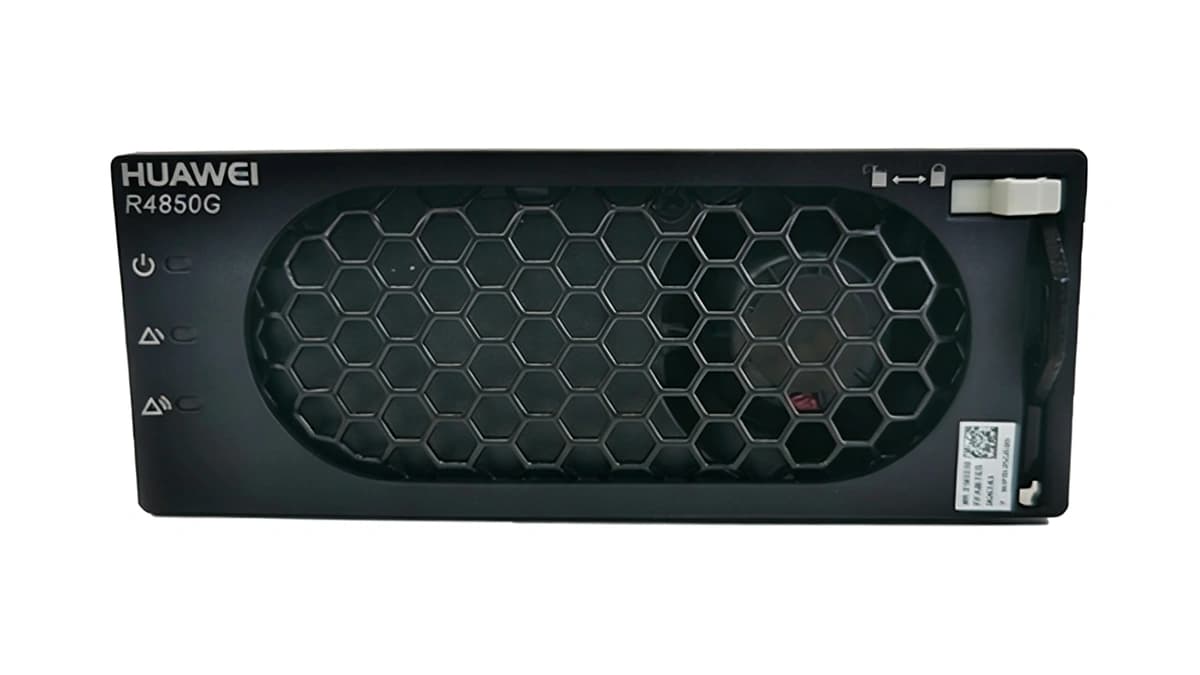
1. Industry Background and Architectural Foundation
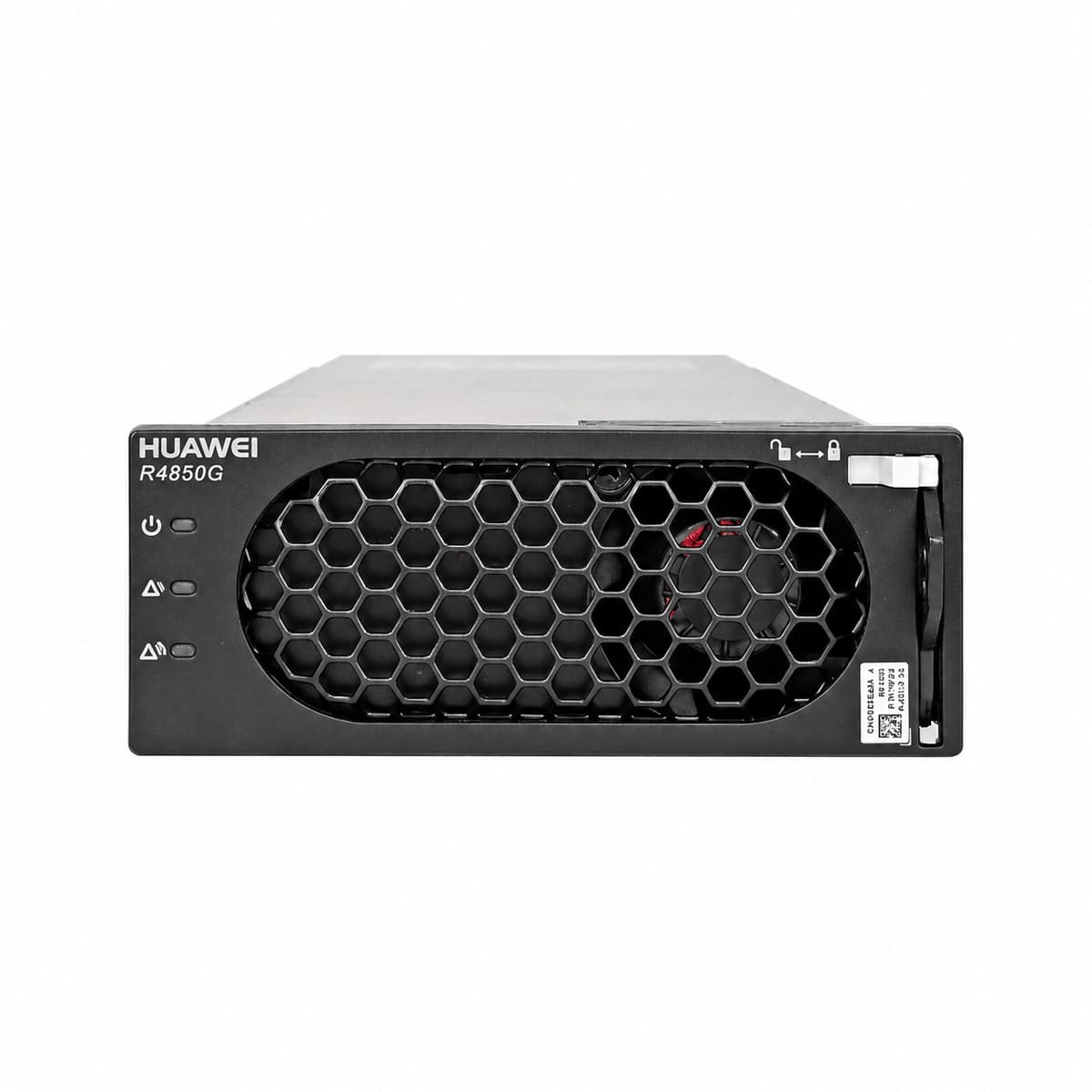
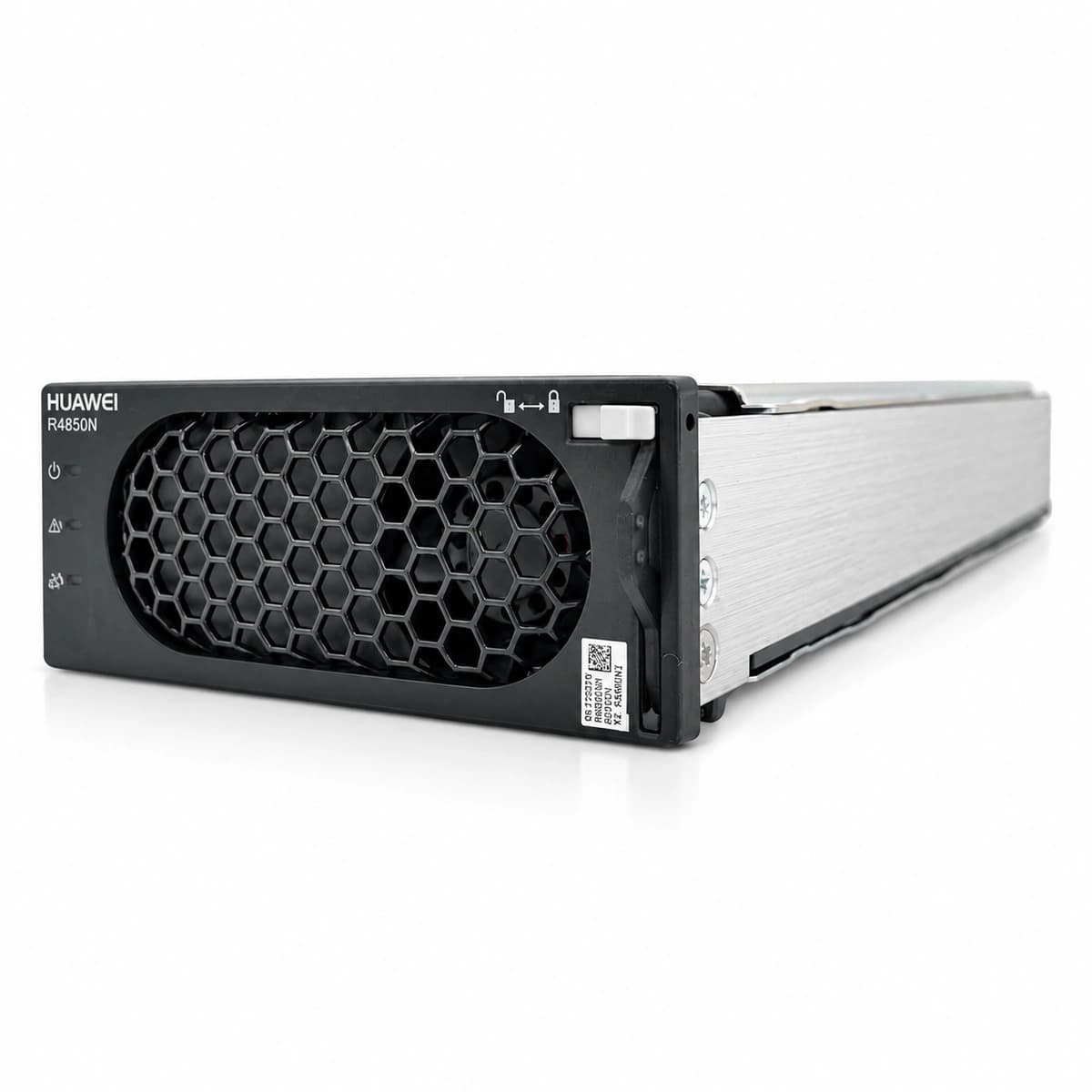
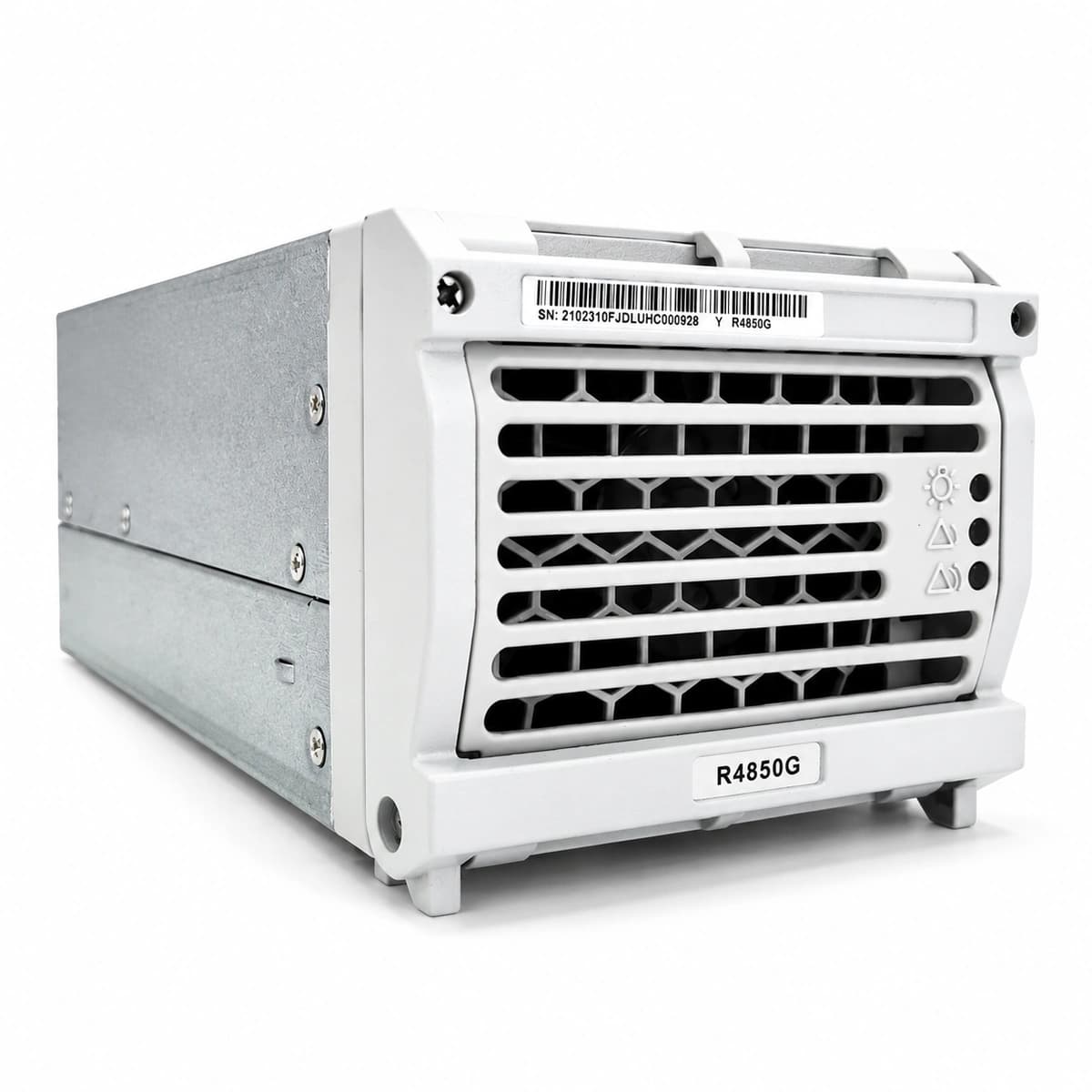
In modern telecommunications base stations, data center micro-modules, and battery energy storage deployments, the Huawei R4850G2 (50A / 3000W / 96% Titanium-class efficiency) stands out as one of the most widely deployed and robust switch-mode rectifiers globally. However, during field maintenance, remote site recovery, or standalone battery reactivation, electrical engineers frequently encounter a critical barrier: without an ETP48100/ETP48200 subrack or SMU02C supervisory unit present, how do you safely power on an isolated R4850G2 module and achieve a stable 53.5V DC output?
Compiled by the RICEWIND engineering team based on extensive field deliveries and original equipment standards, this tutorial breaks down the R4850G2 edge-connector pinout, offline bypass activation steps, and essential electrical safety rules.
2. Edge Connector Physical Architecture and Pinout Definitions
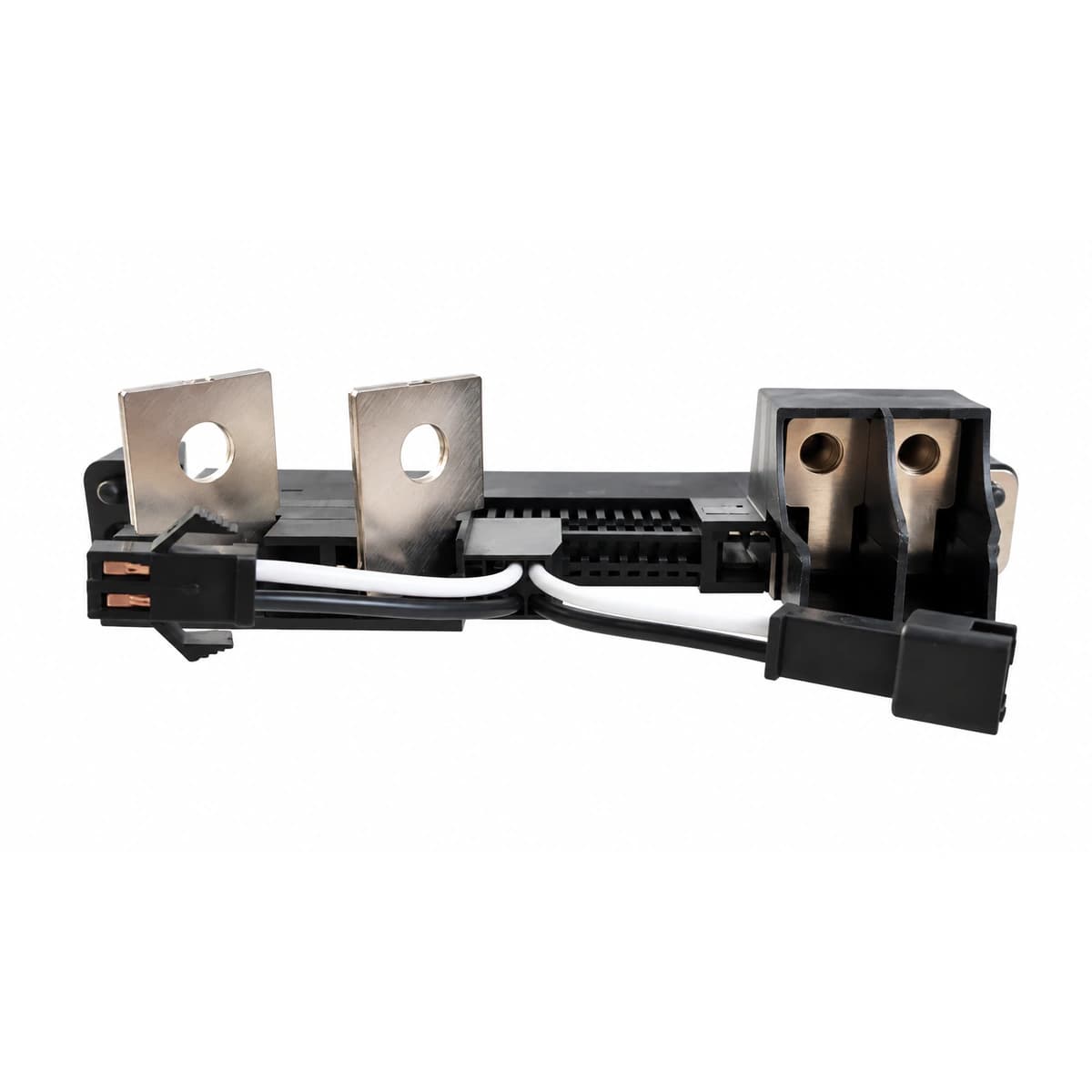
The rear edge connector of the Huawei R4850G2 is partitioned into three distinct functional zones: heavy-current power terminals on the left and right flanks, flanked around a central dual-row high-density signal pin block. The leftmost terminal group accommodates single-phase AC input (L, N, and chassis PE ground), incorporating integrated inrush-limiting pre-charge resistors. The rightmost terminal bus provides heavy-current DC output (-48V and +48V/RTN). The central high-density signal block houses startup enable logic (Inhibit/Enable), CAN communication bus (CAN_H / CAN_L), hardware slot address pins, and analog current-sharing lines.
Standalone Offline Startup Without Controller: Without an SMU02C supervisory controller sending periodic CAN polling frames, the R4850G2 defaults to a high-impedance standby lockout state. Achieving autonomous standalone startup requires proper configuration of the power-on enable pin and analog reference ground:
1. Securely connect 220V AC utility power to the AC input terminals (minimum wire cross-section 2.5 mm² / 14 AWG), ensuring the PE terminal is bonded to ground;
2. Locate the Power-On Enable pin and analog ground reference pin (GND_S) within the central control signal header;
3. Bridge a 1kΩ–4.7kΩ pull-down resistor (or direct shorting jumper) between the Enable pin and GND_S. Upon applying AC power, the yellow fault/alarm LED flashes for 3–5 seconds during self-diagnostic capacitor pre-charge, followed by a solid green RUN LED and automatic fan ramp-up. The DC output will now deliver a rock-solid -53.5V nominal voltage!
3. Field Challenges, CAN Dynamic Tuning & Safety Precautions
CAN Bus Dynamic Voltage Regulation and Real-time Telemetry: If an application requires continuously variable output voltage between 42V and 58V (e.g., custom equalization charging for LiFePO4 battery banks or specialized test benches), CAN bus control must be leveraged. The R4850G2 utilizes the industry-standard CAN 2.0B protocol at a fixed 125 kbps baud rate. By interfacing a USB-to-CAN adapter across the CAN_H and CAN_L pins, sending control frames to identifier 0x1081407F allows 0.1V step voltage tuning alongside real-time current telemetry feedback.
Critical Field Precautions and Electrical Standards:
1. Never operate the rectifier continuously in an unventilated, sealed enclosure. The R4850G2 employs forced front-to-back airflow; maintain at least 10 cm of unhindered clearance behind the rear exhaust grill;
2. Never hot-plug DC output terminals while connected to an active load, as high-energy DC arcing will erode the gold-plated contact surfaces;
3. Always install an upstream 16A/20A Type C Miniature Circuit Breaker (MCB) on the AC input feed to handle initial capacitor inrush current transients.
4. Operational Guidelines and Preventive Standards
RICEWIND supplies telecom operators and infrastructure contractors in over 50 countries with genuine Huawei ETP48100, ETP48200 systems, verified R4850G2/R4875G1 rectifiers, and custom telecom enclosures. Every unit undergoes 100% full-load burn-in testing and dielectric verification prior to global dispatch.
Technical inquiries, bulk stock availability, and global engineering consultation: Email: lee@ricewind.com | WhatsApp: +86 17621197907.
Engineering Procurement & Technical Desk
For technical datasheets, custom power topology design, or volume export quotations, reach out to HEFENGQI engineers.